Warning: Undefined array key "url" in /home/xs247416/japantravelkit.com/public_html/wp-content/plugins/seo-by-rank-math/includes/modules/schema/snippets/class-author.php on line 41

Japan Travel Essentials

Takeo is based in Japan and creates practical travel guides for international visitors. He shares local insights on transportation, internet access, money, etiquette, and everyday travel in Japan to help first-time visitors enjoy a smoother and more comfortable trip.

Private Onsen Japan: How to Use Family Baths Easily

2026/10/14  

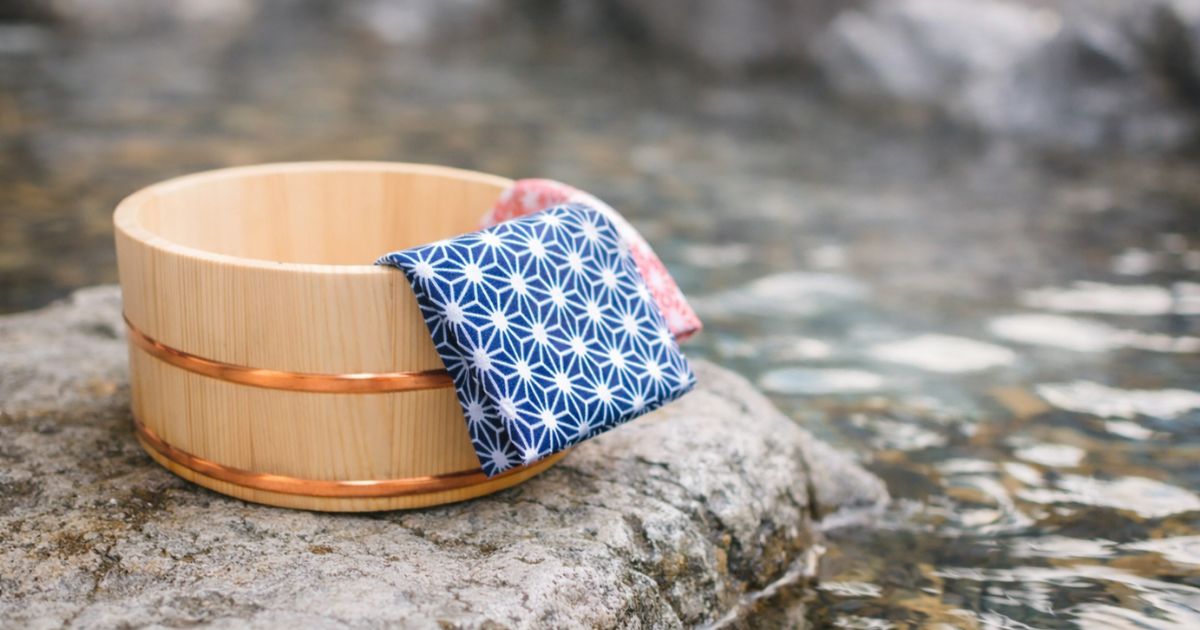
Information checked: October 14, 2026. Facility rules and prices change, so always confirm with the facility before you go. A private onsen in Japan is a bath that you or your group can use without sharing it with other guests, either for a reserved time slot or during your stay. Check whether it uses natural hot spring water, because not every private bath does. In Japanese it is usually called kashikiri-buro (貸切風呂, “reserved bath”) or kazoku-buro (家族風呂, “family bath”). Because you are not sharing the water with strangers, couples and families can usually bathe together, and many travelers who feel …

Tattoo-Friendly Onsen in Japan: How to Find and Choose One

2026/10/14  

Tattoo-friendly onsen in Japan do exist, from whole hot spring towns that welcome tattoos in every public bathhouse to hotels that recently dropped their restrictions. The hard part is finding them and confirming the rule before you go. This guide shows you how to search in English and Japanese, how to read a facility’s tattoo policy, what to ask, and how to choose the right place for your trip. Each facility sets its own rule There is no single national list of tattoo-friendly onsen. Policies differ from place to place, and sometimes from bath to bath within the same property. …

Onsen Tattoo Japan: Can You Bathe If You Have Tattoos?

2026/10/15  

Can you go to an onsen with tattoos in Japan? Often, yes. There is no nationwide ban on bathing with tattoos. Each onsen, ryokan or hotel sets its own rule, so one place may welcome you while the next one says no. This guide explains why some onsen restrict tattoos, what the common rules look like, whether they apply to tourists, and what to do before you go. Quick answer Yes, at many places. Some onsen accept tattoos with no conditions. Others accept small or covered tattoos, or offer a private bath. Some places still say no. That is the …

no image

Currency Exchange in Japan (2026): Best Ways to Get Yen

2026/10/17  

Currency exchange in Japan is straightforward once you know where to get Japanese yen (JPY). For many international visitors, withdrawing cash from a compatible ATM is convenient and may offer a competitive overall cost. But an ATM is not automatically the cheapest option: your card’s foreign transaction fees, the ATM fee, and the exchange rate all matter. If you already have foreign banknotes, a reputable currency exchange counter may be more practical. Quick answer: where should tourists exchange money in Japan? Best practical first choice: check whether your overseas debit card works at a Seven Bank or Japan Post Bank …

Japan Rail Pass: Is It Worth It in 2026?

2026/10/17  

For most first-time visitors, the Japan Rail Pass is not worth it in 2026. A 7-day pass costs ¥50,000, and a classic Tokyo, Kyoto and Osaka trip uses only about ¥14,000–¥28,000 of Shinkansen travel. Even one long round trip, such as Tokyo–Hiroshima (¥39,120) or Tokyo–Fukuoka (¥47,220), costs less than the pass on its own. The pass starts to pay off only when you chain several long rides into one week, such as Tokyo → Kyoto → Hiroshima → Fukuoka → Tokyo, and you are happy to ride Hikari and Sakura trains instead of the faster Nozomi. Below are the 2026 …

no image

How to Set Up eSIM in Japan (Step-by-Step)

2026/10/14  

Last updated: October 14, 2026. Steps are based on Apple, Google and Samsung support pages checked on this date. Menu names vary by software version and model, and your eSIM provider’s instructions take priority where they differ. This guide explains how to set up an eSIM in Japan, from the moment you buy a plan to the moment Google Maps loads on the train from the airport. The short version: check that your phone supports eSIM and is unlocked, read your plan’s activation rules, then install the eSIM on reliable Wi-Fi when your provider recommends. After landing in Japan, switch …

Onsen Etiquette in Japan: Rules Foreigners Should Know

2026/10/14  

Onsen etiquette in Japan comes down to one idea: the bathwater is shared, so you keep it clean and keep the space calm. This guide walks you through a first visit in the order you will actually do things, from taking off your shoes at the entrance to drinking water after your soak. It also covers the questions most visitors worry about: nudity, towels, tattoos, private baths, children and staying safe in hot water. Rules vary by facility The core manners below apply almost everywhere. Tattoo policies, towel rental, rules for children and bath hours are set by each onsen. …

no image

7-Day Tokyo and Kyoto Itinerary for First-Time Visitors

2026/10/15  

This 7-day Tokyo and Kyoto itinerary is built for a first trip to Japan. You fly into Tokyo, spend three nights there, take the Shinkansen to Kyoto, and fly home from Kansai Airport near Osaka, so you never have to go back the way you came. Each day has a realistic route, the stations you need, what to book ahead, and what to drop if you are tired or it rains. You will also find where to stay, how much the transport really costs, and whether a Japan Rail Pass is worth it. Quick answer Is 7 days enough? Yes, …

no image

Suica vs PASMO in Japan: 2026 Guide for Tourists

2026/10/17  

Suica vs PASMO in Japan: which IC card should tourists buy? For most visitors, either one works well. Both are rechargeable transportation cards that let you tap through compatible train and subway gates, pay on participating buses, and make small purchases at shops displaying accepted IC-card logos. The main differences are the company issuing the card, the version available to you, and its refund or expiration rules. Quick answer for first-time visitors Already have Suica or PASMO? Keep using it wherever the card is accepted; you usually do not need both. Arriving at Narita or Haneda and want a physical …

Narita Airport to Tokyo: Fastest, Cheapest & Easiest (2026)

2026/10/14  

Getting from Narita Airport to Tokyo can take roughly 40 minutes to well over an hour, depending on the destination, service and transfers. There’s no single “best” train: the right choice depends on your hotel’s area, your budget, and how much luggage you have. Quick answer Ueno or Nippori: the Keisei Skyliner is usually fastest (36 minutes to Nippori at its quickest). Tokyo Station, Shinjuku, Shibuya or Yokohama: the JR Narita Express (N’EX) gets you there without changing trains. Cheapest train to Ueno: Keisei Main Line Limited Express / Rapid Limited Express trains, which cost less than the Access Express …